

Sheesham Wood vs Mango Wood: Which Is Better for Indian Homes?

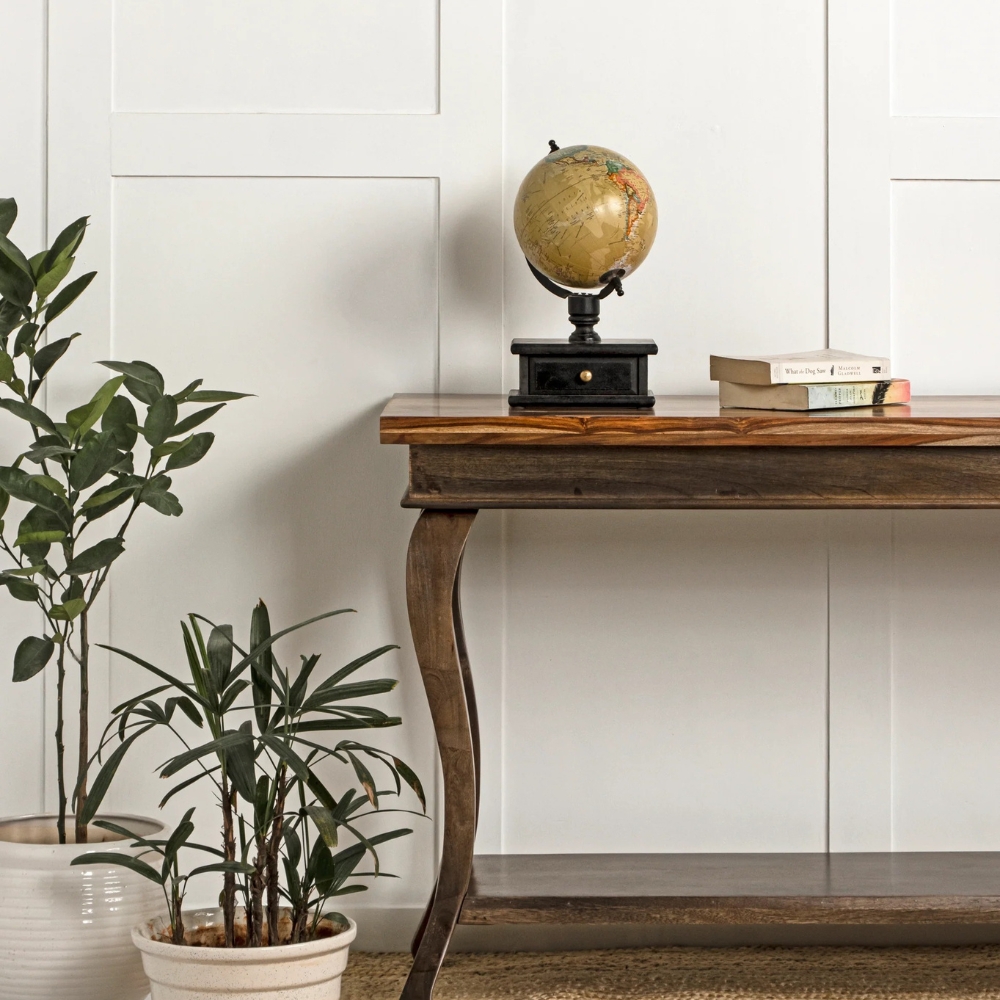
Sheesham and Mango Wood are two names you’ve probably heard a lot of times when looking for solid wood furniture in India.
Both of them are easy to find. Both are made of real wood. Both are popular with Indian buyers of all price ranges. But they’re not the same. One will work much better for you than the other based on your home, the weather, your budget, and the things you want to buy.
This piece compares two products honestly, without any brand bias or filler, so you can choose wisely before you spend.
Quick Comparison at a Glance
| Feature | Sheesham Wood | Mango Wood |
| Also known as | Indian Rosewood, Dalbergia Sissoo | Mangifera Indica |
| Hardness (Janka) | ~1,660 lbf (very hard) | ~1,070 lbf (medium-hard) |
| Durability | Excellent | Good |
| Water resistance | Good | Moderate |
| Grain pattern | Rich, dark streaks on honey-brown | Multicoloured — green, pink, gold, brown |
| Sustainability | Widely grown, regulated | Highly sustainable (recycled fruit trees) |
| Price | Mid to premium | Budget to mid |
| Best rooms | Dining, bedroom, living room | Living room, accent pieces, sideboards |
| Termite resistance | High | Moderate |
| Repairability | Excellent | Good |
About sheesham wood furniture India
One of the most popular types of wood for furniture in the Indian region is sheesham, which is also known as Indian Rosewood. Indian artists have used it for hundreds of years and it grows in large amounts in Punjab, Haryana, Uttar Pradesh, and Rajasthan.
What makes Sheesham special?
How hard and strong it is: Sheesham is a real hardwood with a Janka grade of about 1,660 lbf. Just to give you an idea, that’s a lot harder than Mango Wood and a lot harder than Oak (1,290 lbf). In other words, it does a great job of handling everyday wear and tear.
The grain is the most recognizable thing about Sheesham. There are dark streaks going through the wood that give it a warm honey-to-dark brown base. No two pieces are ever exactly the same. It gets deeper and more complex over time, often becoming richer and more unique over decades.
Joinery: Traditional joinery methods, such as mortise-and-tenon and dovetail, work very well with sheesham. This means that trained craftsmen, like those in Jodhpur, can make pieces that are very strong.
Termite resistance: Sheesham is naturally very resistant to termites and other wood-boring insects. This makes it a great choice for India, where termites can be a big problem.
Ways to finish: It looks great with both oil finishes (which bring out the natural grain) and painted or polished finishes. Natural wood eating tables and bedroom sets that are hand-carved and painted are both made with it.
Sheesham’s limitations
- Price: Sheesham is more expensive than Mango Wood for the same-sized pieces because it is more famous and denser.
- Weight: Very thick, which means finished pieces are pretty heavy, which is something to think about if you move your furniture around a lot.
- Color variation: Sheesham’s natural tones can be very different from one piece to the next. If you’re buying a set, like an eating table and chairs, ask for pieces that were cut from the same batch or a similar one.
About mango wood furniture India
Like the name says, mango wood comes from the mango tree (Mangifera Indica). But what’s really interesting about it is that it comes from trees that have stopped producing fruit, usually after 15–20 years of doing so.
In other words, Mango Wood furniture is basically used again. Furniture makers give this wood a second chance at life by using it. This is one reason why Mango Wood is one of India’s most eco-friendly furniture options.
What makes Mango Wood special?
Mango Wood looks nothing like Sheesham in terms of its grain. The wood grows very quickly, so its grain is very different and its color changes dramatically. In one plank, you can see lines of green, pink, gold, and warm brown. No two pieces of Mango Wood furniture ever look the same, and the differences are noticeable rather than random.
Mango Wood is easier to work with than Sheesham because it is softer and can be carved, turned, and shaped in small details. Because of this, it’s often used for accent furniture, artistic pieces, and other things where style is just as important as strength.
Mango Wood has a very clear story when it comes to the environment compared to other furniture woods. When you buy a Mango Wood cabinet, you’re putting wood to good use that would have been thrown away otherwise.
Mango Wood is usually 20–40% cheaper than Sheesham when it comes to price. It’s a great starting point for people who want real sturdy wood furniture but don’t want to pay a lot for it.
Eco-certifications: A lot of Mango Wood makers have FSC or similar certifications, which can be important to you if you care about sustainability.
Mango Wood’s limitations
- Mango Wood is not as hard as Sheesham (~1,070 lbf). Because it’s more likely to dent and scratch when used hard every day, it’s not the best choice for an eating table that a family of six uses every day.
- Mango Wood needs to be properly sealed and needs a little more care in places that are wet. If you leave wet glasses out overnight, for example, they can leave marks more easily than on Sheesham.
- Fading: The beautiful multicolored grain can lose some of its shine after being in strong sunlight for a long time. Placement is important.
The Key Factors : which wood is best for furniture in India
1. Durability in Indian Conditions
Winner: Sheesham
India has very hot and sticky summers and dry, cold winters that are hard on wood. Sheesham is the better long-term choice because it is denser, has more natural oil, and is less likely to be eaten by termites, especially in seaside, humid, or high-rainfall areas.
If you finish and take care of mango wood the right way, it will last well in normal Indian conditions. However, you need to be a little more careful around water.
2. Aesthetics and Visual Character
Winner: Tie — depends on your style
Sheesham has deep, warm, classic beauty, and the tones get deeper over time. It looks great with classic, heritage, and modern styles.
In a surprising way, Mango Wood looks more dramatic. The color difference is striking and modern, and it looks great with both natural and painted finishes. It’s very popular with artists who want to go for a natural, laid-back look.
The word for “classic Indian solid wood” furniture is “Sheesham.” Mango Wood is the way to go if you want something more modern and unique.
3. Price
Winner: Mango Wood
Most of the time, Sheesham will cost 25–40% more than Mango Wood for the same item, like a 6-seater eating table. Both are real solid wood, and the price difference is due to supply and demand as well as the cost of the materials. In most furniture uses, the difference in quality is not very noticeable.
4. Sustainability
Winner: Mango Wood
This is definitely a win for Mango Wood. Because it comes from trees that are no longer producing fruit, using it has a low effect. Northern India also grows Sheesham in a way that doesn’t harm the environment, but Mango Wood has a better environmental story.
5. Suitability for Carving and Craft
Winner: Sheesham (for deep carving); Mango Wood (for decorative work)
Experts from Jodhpur have been using Sheesham for many years because it is dense and stable, which makes it perfect for carving deep, complicated designs by hand that will keep their sharp edges over time. Because mango wood is soft, it’s great for turning, lighter carving, and artistic inlay work.
6. Repairability and Refinishing
Winner: Sheesham (marginally)
One big benefit of both woods over manufactured ones is that they can be sanded and refinished. Sheesham is more dense than other woods, so it can be sanded and polished more times without losing its strength. You can restore mango wood, but you only have a smaller amount of material to work with.
Room-by-Room Recommendation
Dining Table
Pick out Sheesham. Sheesham is hard and doesn’t absorb water, which is great for everyday use with plates, spoons, pots, and spills. Twenty years from now, a good Sheesham eating table will still look better than one made of Mango Wood.
Dining Chairs
Either one works. Sheesham is the most durable wood, but mango wood is a better choice if you’re on a tight budget.
Bed Frame
Sheesham lasts longer, and mango wood is cheaper. Mango Wood is a good choice for a bed frame because it won’t get scratched as much as an eating table will. Sheesham if you want it to last more than 40 years.
Coffee Table
This Mango Wood is great. A unique grain that starts conversations is good for coffee tables that don’t get used too much. The look of Mango Wood really shines in this role, and the lower price is fair for something that might go out of style in 10 years.
Sideboard / Cabinet
Mango Wood is great to use. Pieces for storage don’t need to be very hard. Mango Wood has a beautiful grain that makes sideboards and cabinets look amazing. It’s also lighter than solid Sheesham, which makes it easier to install.
Console Table / Entryway Table
Wood of mango. Mango Wood is mostly used for decoration, which is a good use for its dramatic color difference.
Study Table
Sheesham. Your arms and hands will rest on this area for a very long time. The extra toughness is important.
Outdoor or Verandah Furniture
Sheesham and Mango Wood both hold up better outside than Teak, but neither is as weatherproof as Teak.
Can You Mix Sheesham and Mango Wood in the Same Home?
Yes, and a lot of well-designed Indian houses do just that.
A popular method is to use Sheesham for structural pieces that will be used a lot, like a dining table, bed frame, or study table, and Mango Wood for decorative and storage pieces, like a sideboard, console table, coffee table, or bar cabinet.
Because the two woods have different tones—Sheesham is darker and warmer, while Mango Wood is more varied and cooler—it’s important to mix them on purpose instead of by chance. Using the same finish style (either all natural oil or all one color of stain) on all the wood in a room helps tie it all together.
Maintenance to be done Side by Side
Sheesham Care
- Use a dry microfiber cloth once a week to dust.
- Danish oil or wood oil should be used once or twice a year.
- Clean up spills right away and don’t leave wet things on the surface.
- Stay away from direct heat sources like heaters and air leaks.
- Check for termites once a year, especially during the rainy season.
Mango Wood Care
- Regularly dust—the open grain of mango wood makes dust stick to it.
- Every 6–8 months (more often than Sheesham), wax or oil it.
- More careful with water—seal often if in a position next to a kitchen or bathroom
- Keep out of bright sunlight to keep the colors from running.
- Avoid placing in very humid rooms without proper ventilation
The Final Verdict
Choose Sheesham if:
- You want the most resilience and longevity possible.
- The pieces you’re getting will be used a lot (dining table, bed, study table).
- You live in an area that is very muggy, near the coast, or gets a lot of rain.
- You want furniture that will really last 30–50 years with little upkeep.
- The budget is not as much of a problem.
Choose Mango Wood if:
- You want real wood that is easier on the wallet.
- You’re getting accent pieces, storage, or pretty furniture.
- You care about your sustainability credentials.
- You love the look of natural color difference.
- You’re setting up a rental home or a room that you might change out in 10–15 years.
Honestly, Both options are great and much better than any synthetic wood alternatives. Sheesham is a little more durable than mango wood, but mango wood looks better and is worth more. In either case, you’ll be getting furniture that will last longer than the trends it comes in.
Frequently Asked Questions
Is sheesham wood better than mango wood?
For heavy-duty uses that need to last a long time, yes. Sheesham is tougher, can handle more water, and is less likely to get termites. Mango Wood is a great option for accent and decorative pieces where looks and value are more important.
Which wood is best for a dining table in India?
Sheesham is the best wood for eating tables because it is hard and the surface lasts a long time. You could also choose Acacia or Teak.
Does mango wood furniture last long?
Yes, if you take good care of your Mango Wood furniture, it should last 20 to 30 years. It’s real solid wood, not something that was manufactured.
Is mango wood furniture good quality?
Of course. Mango Wood is a type of hardwood that is used by skilled artists in India and around the world. The type of wood doesn’t determine its quality; how it’s made and joined does.
Which is cheaper sheesham or mango wood?
Mango Wood is typically 25% more affordable than Sheesham pieces.
Explore Wooden Artistic’s range of solid Sheesham and Mango Wood furniture — handcrafted in Jodhpur, delivered across India. woodenartistic.in